How to Reduce Logistics Costs: Insights, Strategies and Innovation from the LIUC and Columbus Logistics Conference
Reducing logistics costs without compromising service levels is one of the most pressing challenges facing businesses today. In an environment shaped by increasingly complex supply chains, rising cost pressures, and growing sustainability requirements, logistics efficiency has become a critical driver of competitiveness.
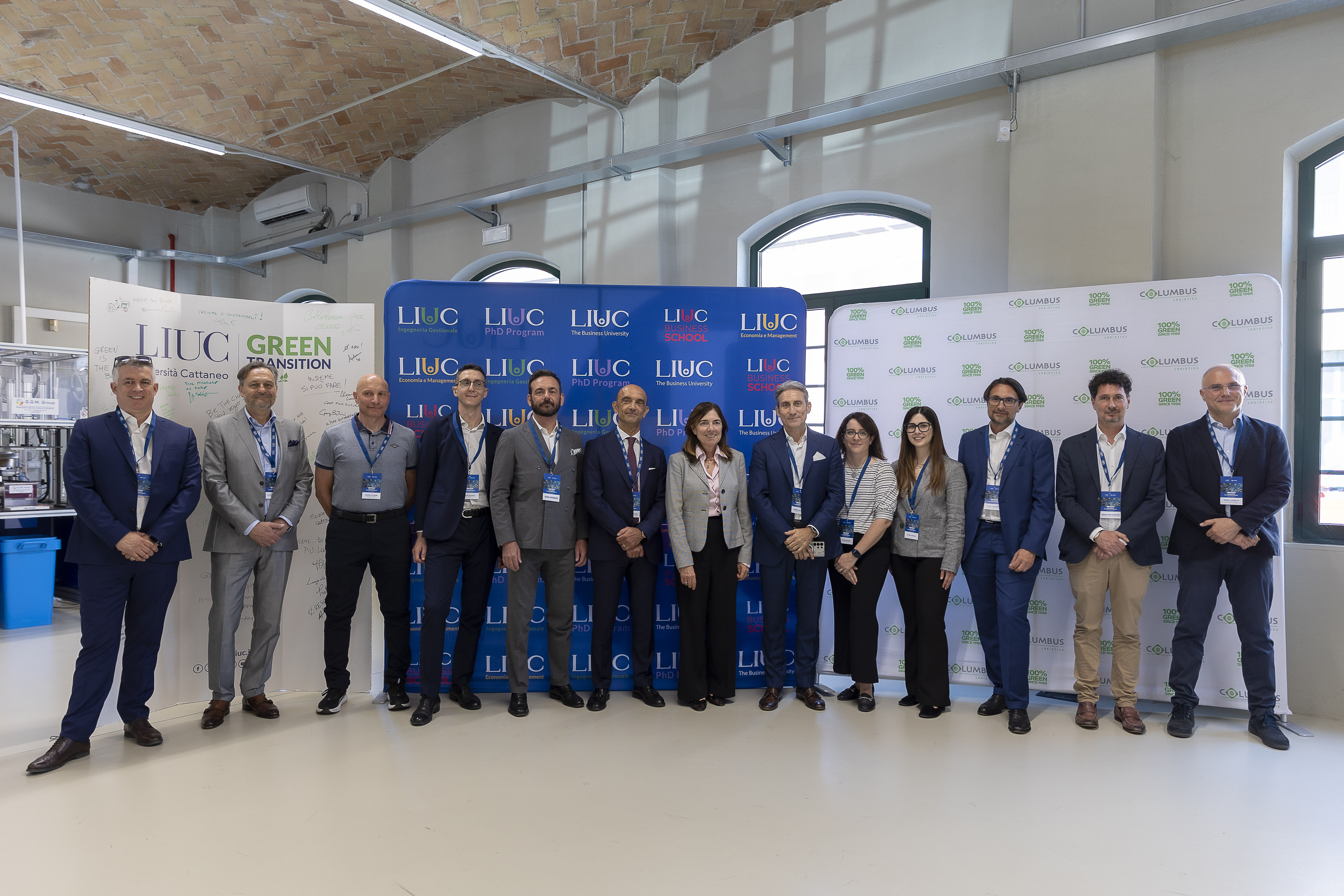
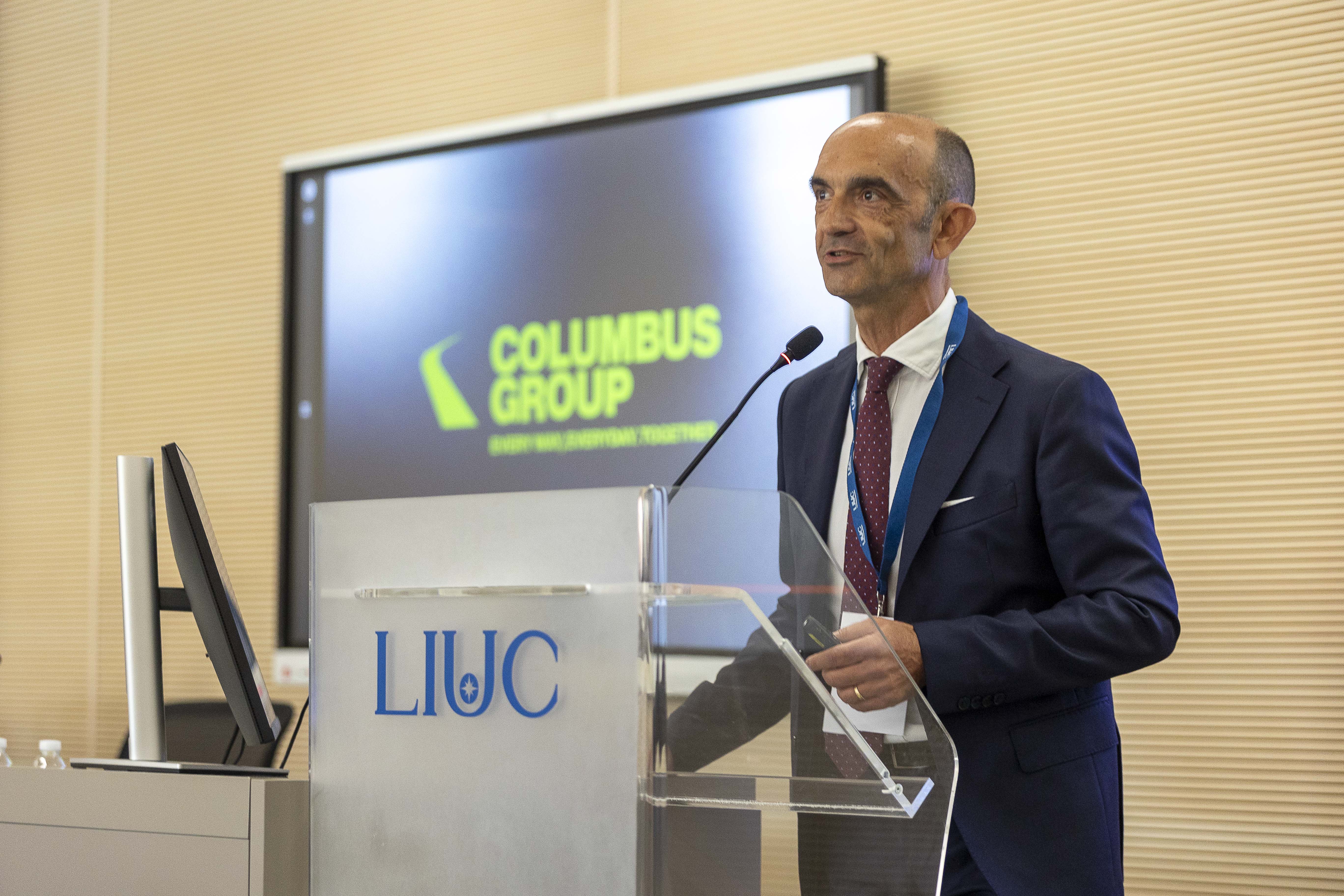
These topics were at the heart of the conference “In Search of Lost Efficiency: 10 Ways to Reduce Logistics Costs by 10%”, organized by the i-LOG Research Center of LIUC – Cattaneo University in collaboration with Columbus Logistics. The event is part of a long-standing partnership that, for more than a decade, has fostered dialogue between academic research and the business community.
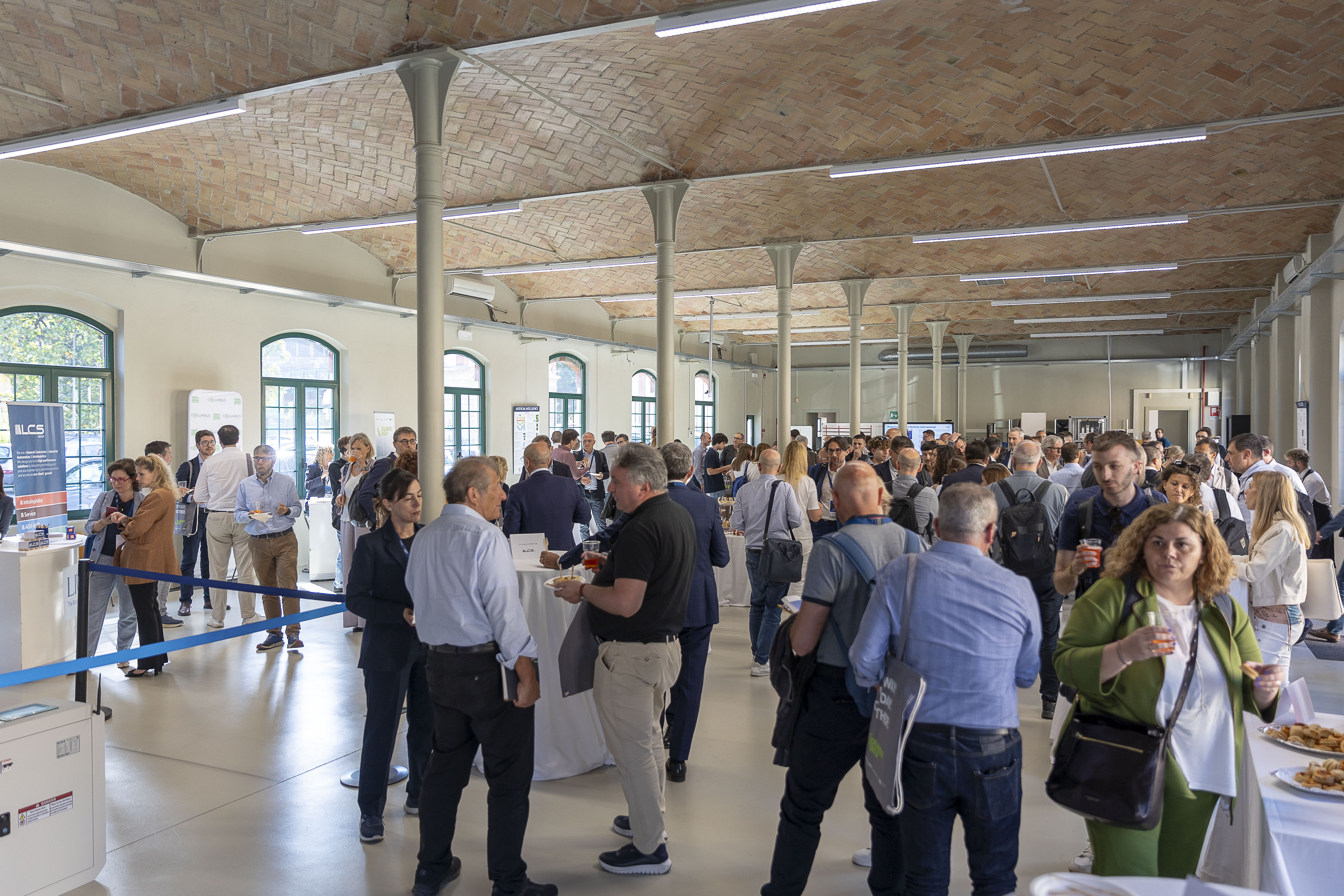
The conference attracted more than 300 supply chain professionals and managers, confirming that operational efficiency remains a top priority for Italian companies. Throughout the day, leading organizations including IKEA, Pirelli, Ferrero, Lucart, Vaillant, and Bticino shared real-world experiences and best practices in logistics optimization, with a strong focus on sustainability, digital transformation, and innovation.
One of the event’s highlights was the presentation of the new Logistics Cost Monitor (LCM) developed by LIUC. The research involved more than 400 Italian companies and was designed to measure the actual impact of logistics costs on corporate financial performance.
The findings revealed that logistics costs account, on average, for 9.9% of company revenue. In practical terms, for every €1 million in revenue, a business spends approximately €100,000 on logistics activities. Transportation remains the most significant cost component, representing 46% of total logistics expenditure.
The study also provided valuable forward-looking insights. According to the survey, 82% of companies expect logistics costs to continue increasing in the coming years, driven primarily by higher energy prices, labor costs, and the investments required to meet sustainability objectives.
Against this backdrop, one message emerged clearly throughout the conference: efficiency cannot be achieved through a single initiative. Instead, it is the result of a continuous improvement journey. As highlighted by Fabrizio Dallari, Director of the i-LOG Research Center, even relatively small targeted actions can generate significant benefits when supported by data analysis, collaboration, and strategic vision.
Among the case studies presented, the joint project developed by Ferrero and Lucart attracted particular attention. By improving the integration of their logistics flows, the two companies succeeded in reducing annual transport mileage by approximately 67,000 kilometers, resulting in a reduction of around 169 tons of CO₂ emissions per year. It is a tangible example of how operational efficiency and sustainability can successfully go hand in hand.
The conference also dedicated significant attention to emerging technologies. Digitalization, automation, and artificial intelligence applied to supply chain management were identified as key enablers for improving competitiveness, strengthening organizational resilience, and supporting faster, data-driven decision-making.
Another important topic that emerged during discussions among industry leaders and logistics professionals was the increasingly strategic role of logistics outsourcing. In a market characterized by growing complexity and volatility, partnering with specialized logistics providers can help companies enhance service levels, optimize costs, and focus more effectively on their core business activities.
For Columbus Logistics, the conference also represented an opportunity to celebrate more than ten years of collaboration with LIUC. Over the years, this partnership has contributed to promoting logistics culture and creating an ecosystem that connects research, technology, and business.
The success of the initiative once again demonstrated the value of collaboration between universities and companies in addressing the future challenges of supply chain management. In an ever-evolving business environment, investing in expertise, innovation, and collaboration remains the most effective path toward building more efficient, sustainable, and competitive organizations.